


In the realm of internet anonymity and data scraping, proxies have emerged as indispensable tools. Among the various types of proxies, datacenter proxies stand out due to their speed and cost-effectiveness. But what exactly are datacenter proxies, and how can they serve your internet needs? This comprehensive guide aims to demystify datacenter proxies, explore the best datacenter proxy providers, and offer insights into selecting the right proxy for your needs. How do I find the best datacenter proxies?
Datacenter proxies are a type of proxy server that derives from a data center as opposed to residential locations. Unlike residential proxies, which use IP addresses provided by Internet Service Providers (ISPs) and are associated with a physical location, datacenter proxies are not affiliated with ISPs. They are generated by cloud hosting companies and thus, are virtual in nature.
Characteristics of Datacenter Proxies
Datacenter proxies possess distinct characteristics that make them suitable for specific tasks:
High Speed
Since they are hosted in data centers, these proxies typically offer high-speed connections, making them ideal for tasks requiring rapid data retrieval. The infrastructure of data centers is designed to handle large volumes of data efficiently, providing users with a seamless browsing experience. This speed advantage is crucial for applications that demand quick responses, such as online gaming or live streaming services.
Cost-Effective
They are generally less expensive than residential proxies, making them a popular choice for cost-conscious users. The affordability of datacenter proxies is due to their nature of being bulk-generated by cloud service providers. This cost-effectiveness allows businesses and individuals to leverage proxy services without incurring significant expenses, enabling scaling of operations without breaking the bank.
Non-Geo-Restricted
Unlike residential proxies tied to specific locations, datacenter proxies can be located anywhere, offering greater flexibility. This flexibility is particularly beneficial for businesses looking to access global content without being restricted by geographical boundaries. Users can choose from a wide array of locations, allowing them to simulate access from different parts of the world effortlessly.
Use Cases
Datacenter proxies are widely used for various purposes such as:
Web Scraping
For gathering data from websites efficiently without getting blocked. Web scraping is an essential tool for businesses looking to extract valuable data from competitors, market trends, or user reviews. Datacenter proxies provide the anonymity and speed needed to execute large-scale scraping operations without triggering anti-scraping mechanisms employed by websites.
SEO Monitoring
To track search engine rankings and perform competitor analysis. By using datacenter proxies, businesses can simulate searches from various locations, gaining insights into how their content ranks across different regions. This information is vital for optimizing SEO strategies and staying ahead in a competitive digital landscape.
Ad Verification
To ensure that advertisements are displayed correctly across different regions. Advertisers use datacenter proxies to verify that their ads are being shown in the correct locations and formats. This verification process helps in maintaining brand integrity and ensuring that ad investments are yielding the expected results.
How Do Datacenter Proxies Work?
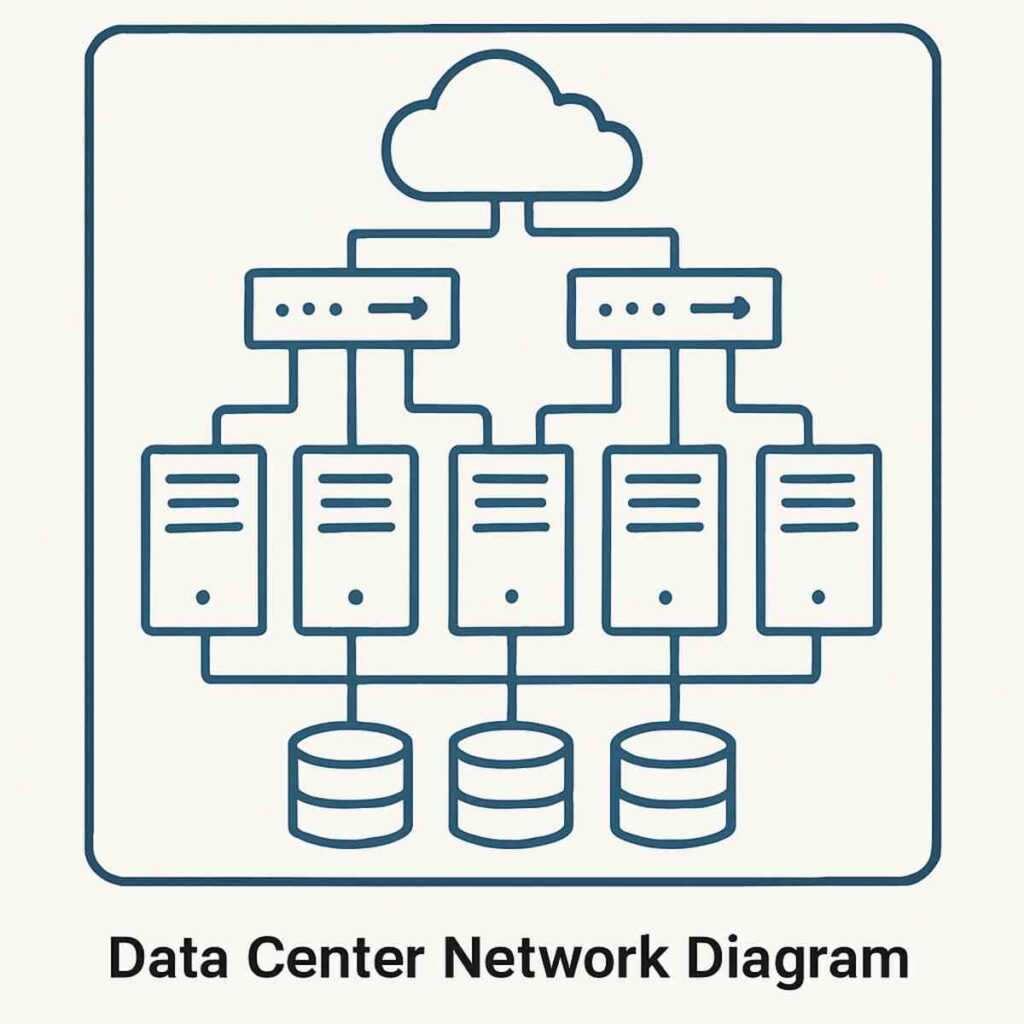
Datacenter proxies function by routing your internet traffic through a proxy server located in a data center. When you request to access a website, the request first goes to the proxy server. The server then forwards your request to the target website, masking your original IP address with one from the proxy server. This process allows you to browse the web anonymously and bypass geographical restrictions.
Advantages of Using Datacenter Proxies
Anonymity
By masking your IP address, datacenter proxies provide a layer of anonymity that helps protect your online identity. This anonymity is crucial for users who wish to keep their browsing habits private, be it for personal reasons or to protect sensitive business operations from prying eyes. It reduces the risk of targeted cyberattacks by concealing your true IP address.
Access to Restricted Content
They enable users to bypass geographical restrictions and access content that may be blocked in their region. This capability is essential for users in countries with stringent internet censorship or for businesses looking to analyze content in different markets. By using datacenter proxies, you can access a wider range of information and services that might otherwise be unavailable.
Load Balancing
By distributing requests across multiple proxies, they can help balance the load and prevent any single proxy from being overwhelmed. Load balancing ensures that no single server becomes a bottleneck, which is particularly beneficial for large-scale data collection or streaming services. This distribution of requests helps maintain optimal performance and reliability.
Selecting the Best Datacenter Proxy Providers
Choosing the right datacenter proxy provider is crucial to maximizing the benefits of using proxies. Here are some factors to consider:
Reliability and Uptime
Ensure that the provider offers high reliability and uptime. Downtime can severely impact your operations, especially if you rely on proxies for critical tasks. Providers with consistent uptime ensure that your activities are not interrupted, which is vital for maintaining business continuity and meeting deadlines.
Speed and Performance
Evaluate the speed and performance of the proxies. High-speed proxies are essential for tasks like web scraping and SEO monitoring, where time is of the essence. Providers offering optimized routing and minimal latency will enhance your operations, ensuring that your data flows smoothly and efficiently.
Customer Support
Opt for providers that offer robust customer support. In case of technical difficulties or inquiries, responsive support can save valuable time and resources. Excellent customer support can be a deciding factor when technical issues arise, providing quick resolutions that help maintain productivity.
Security and Privacy
Security should be a top priority. Ensure that the provider employs encryption and other security measures to protect your data and maintain privacy. A provider committed to security will help safeguard your operations against breaches, offering peace of mind that your data is safe from unauthorized access.
Scalability Options
Consider whether the provider can scale with your needs. As your operations grow, you may require more proxies or different configurations. A provider that offers flexible scaling solutions will allow you to expand your proxy usage without disruption, accommodating your evolving requirements.
Top Datacenter Proxy Providers
- Bright Data: Known for its extensive proxy network and strong security measures, Bright Data is a leader in the proxy market. Their reputation for reliability and comprehensive solutions makes them a preferred choice for enterprises needing robust proxy services.
- Smartproxy: Offers a user-friendly platform with reliable performance, making it suitable for both beginners and experienced users. Smartproxy’s intuitive interface and competitive pricing structure appeal to a wide range of users looking for effective proxy solutions.
- Oxylabs: Provides a wide range of proxy solutions with a focus on high performance and security. Oxylabs’ commitment to innovation and customer satisfaction makes them a valuable partner for businesses aiming to leverage proxy technology for competitive advantage.
Common Challenges with Datacenter Proxies
While datacenter proxies offer numerous advantages, they also come with challenges:
Detection and Blocking
Because datacenter proxies are not tied to residential ISPs, they are more easily detected and blocked by websites employing sophisticated anti-proxy measures. Websites often have algorithms that can identify datacenter IPs, leading to potential access issues for users relying on these proxies.
IP Address Bans
Frequent use or misuse of datacenter proxies can lead to IP address bans. Rotating proxies and using them responsibly can help mitigate this risk. Implementing strategies like IP rotation and adhering to best practices can prevent bans and ensure continued access to target sites.
Limited Geo-Targeting
While datacenter proxies provide anonymity, they may not offer the same level of geo-targeting precision as residential proxies, which can be a limitation for certain applications. For businesses that require accurate location-based data, the less precise geo-targeting of datacenter proxies may necessitate complementary solutions.
Conclusion
Datacenter proxies are invaluable tools for enhancing online privacy and enabling tasks such as web scraping, SEO monitoring, and ad verification. By understanding what datacenter proxies are and how they work, you can make informed decisions about using them effectively. When selecting a proxy provider, consider factors such as reliability, speed, customer support, and security to ensure you choose a solution that meets your needs. Despite certain challenges, with the right strategy and provider, datacenter proxies can significantly enhance your internet operations.
In the ever-evolving digital landscape, staying informed and adapting to new technologies is key. Leverage the power of datacenter proxies to navigate the online world with increased efficiency and anonymity. By strategically employing these tools, you can optimize your internet activities, protect your online presence, and gain a competitive edge in the digital arena.
