


Hey there, card game enthusiasts! Ready to dive into the thrilling world of the War card game? Whether you’re a seasoned card player or just looking for a fun way to pass the time, War is a classic card game that’s easy to learn and play. In this guide, we’ll break down the strategies you can use to become the champion of War. So, grab your deck of cards, and let’s get started! Check out Masuk MISTERIBET77 to know more
Getting to Know the War Card Game
Before we jump into strategies, let’s quickly recap the basics of how to play the War card game. War is typically played with two players using a standard 52-card deck. The deck is evenly divided between the two players, and the objective is to win all the cards.
Basic Rules Overview
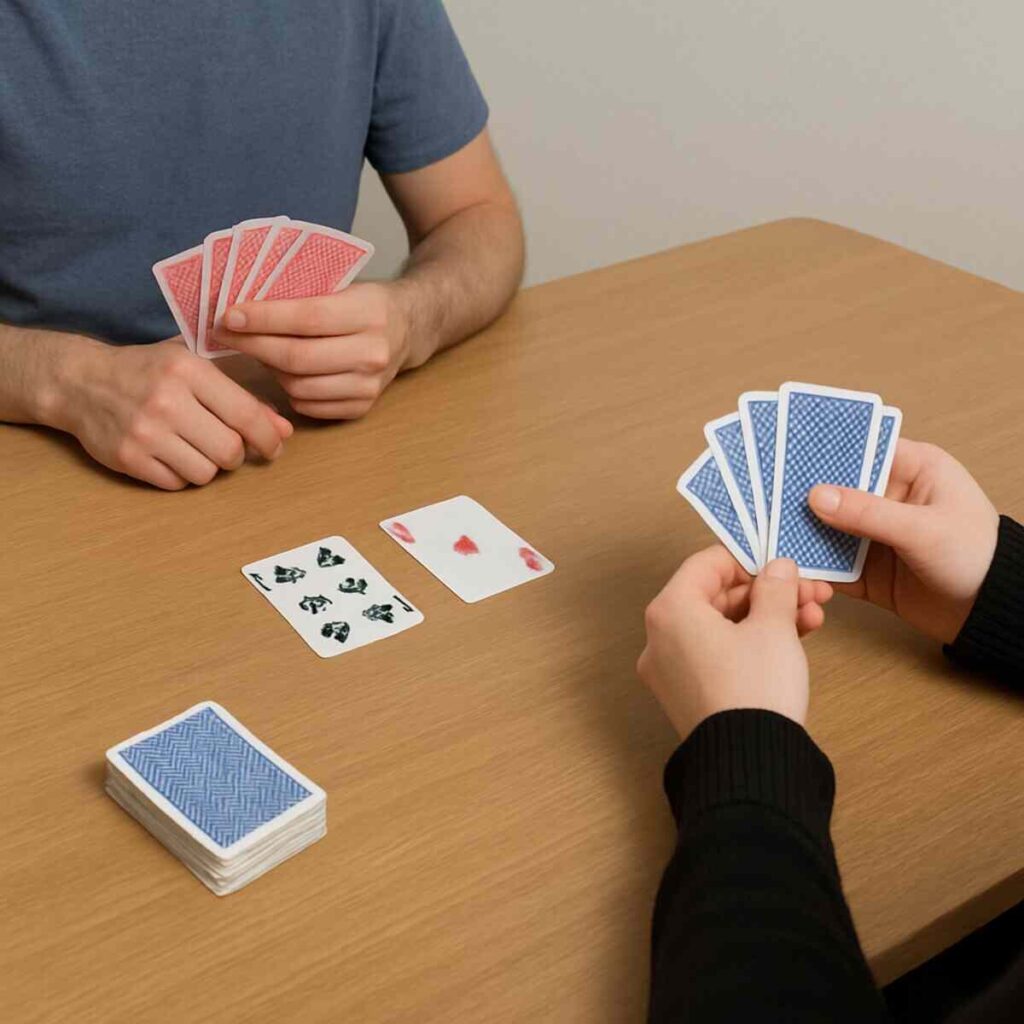
To truly master War, understanding the basic rules is crucial. War is simple yet engaging, capturing the essence of chance and suspense. The game begins with each player flipping over the top card of their deck. The player with the higher card claims both cards, adding them to their deck. If the cards are of equal value, a “War” is declared, and both players place three cards face down, then a fourth card face up. The player with the higher fourth card wins all the cards.
Objective of the Game
The primary goal in War is to capture all the cards in the deck. This means players must consistently win battles or rounds, slowly acquiring more cards than their opponent. Each battle’s outcome is dictated by the card’s rank, not suit, adding an element of surprise and excitement to the game. The winner is the first to collect the entire deck, which can be a long and unpredictable journey.
Understanding the Dynamics
War is a game heavily reliant on luck, but understanding its dynamics can give you an edge. For instance, recognizing the flow of high-value cards can influence your decisions during a War. Players often find themselves in extended battles, requiring patience and strategic thinking to outmaneuver their opponent. Remember, while the game is simple, subtle nuances can make all the difference in how you approach each round.
Strategy #1: Keep Track of High Cards
One of the simplest strategies is to keep track of high cards like Aces, Kings, Queens, and Jacks. Knowing where these power cards are in your deck can give you an edge, especially during War. If you can remember when you played your high cards, you’ll have a better idea of when they might come back around.
Importance of High Cards
High cards are the backbone of your strategy. These are your power cards, and knowing their positions can help you anticipate winning rounds. When you play a high card, remember its position in your deck to estimate when it might reappear. This foresight can give you a strategic advantage during crucial moments in the game.
Techniques for Card Tracking
Developing techniques to track your cards can significantly enhance your gameplay. Start by mentally noting the sequence of your high cards. Some players use simple memory aids or patterns to recall the order of cards. Over time, with practice, you’ll become adept at tracking these high cards, which will help you make informed decisions during the game.
Practice Makes Perfect
Try playing a few practice rounds to get the hang of tracking your cards. Over time, you’ll get better at remembering which cards you’ve played and which are still in your deck. Consistent practice helps hone your memory skills, enabling you to keep a mental note of the cards in play. As you refine these skills, you’ll find yourself more confident in your ability to anticipate and react to different game scenarios.
Strategy #2: Manage Your Deck Wisely
While War is largely a game of chance, how you manage your deck can make a difference. Here are some tips:
Strategic Shuffling Techniques
Shuffle Strategically: If you win a hand, place the cards you won at the bottom of your deck in an order that keeps the high cards spaced out. This increases the likelihood of drawing a high card when you need it most. Strategic shuffling can manipulate the order of your cards, giving you an edge when it matters.
Deck Management and Patience
Be Patient: Don’t rush through your deck. Sometimes, patience pays off, and you might draw a high card when you least expect it. Managing your deck with patience means being deliberate about each round, ensuring you don’t prematurely play your high cards. By maintaining a steady pace, you can better control the flow of your game.
Benefits of a Balanced Approach
Balancing your approach to deck management involves a mix of aggression and patience. Recognize when to hold back and when to push forward. A balanced approach helps you maintain control over the game, allowing you to adapt to your opponent’s strategy and respond effectively to their moves.
Strategy #3: Use the Element of Surprise
Sometimes, keeping your opponent guessing is the best strategy. Here’s how you can mix things up:
Random Card Order
After winning a hand, place the cards back in a random order. This keeps your opponent from predicting your next move. A random card order introduces unpredictability, making it challenging for your opponent to anticipate your strategy. The element of surprise can disrupt their game plan, giving you an upper hand.
Mastering the Art of Bluffing
Bluff with Confidence: Act confident even when you don’t have a high card. Your opponent might second-guess their cards and make a mistake. Bluffing is an art that involves psychological tactics, making your opponent uncertain about your hand. A well-executed bluff can create doubt and hesitation, potentially leading to errors from your opponent.
Psychological Warfare
Using psychological tactics can shift the game’s momentum in your favor. By exuding confidence and unpredictability, you can unsettle your opponent, causing them to misjudge their own strategy. A little psychological warfare can make a significant impact, turning the tide of the game in your favor.
Strategy #4: Know When to Declare War
Declaring War is a high-stakes move, so knowing when to do it can tilt the game in your favor. Here’s what you should consider:
Observing Opponent Patterns
Observe Patterns: If you notice your opponent tends to play high cards after a War, prepare to counter with your high cards. Paying close attention to your opponent’s patterns can reveal their tendencies, helping you predict their moves. By understanding these patterns, you can better time your own strategic plays.
Timing Your War Declarations
Play Your Best Cards: If you have an Ace or King in your War stack, it might be worth declaring War to win a big pile of cards. Timing your War declarations involves assessing the risk versus reward, deciding when to engage in a battle for maximum gain. A well-timed declaration can turn a game in your favor, securing a significant advantage.
Risk and Reward Analysis
Declaring War requires careful consideration of the risks and rewards. Evaluate the potential gains against the possibility of losing high cards. A thorough risk-reward analysis ensures you make informed decisions, maximizing your chances of success in high-stakes situations.
Strategy #5: Enjoy the Game!
Lastly, remember that War is a game of luck and fun. While strategies can help, the unpredictability is part of what makes it exciting. So, don’t stress too much about winning every hand. Enjoy the game and the time spent with friends or family.
Embracing the Unpredictability
Embrace the unpredictability of War, as it’s what makes each game unique and exciting. The element of chance ensures that every game is different, providing endless entertainment. By accepting the unpredictability, you can enjoy the game without the pressure of winning every round.
Fostering Friendly Competition
War is an excellent way to foster friendly competition among friends and family. It offers a platform for social interaction and bonding, creating memorable experiences. The game’s simplicity and excitement make it a perfect choice for gatherings, bringing people together for some light-hearted fun.
Cultivating a Relaxed Mindset
Approach War with a relaxed mindset, focusing on the enjoyment rather than the outcome. A relaxed attitude helps you appreciate the game’s dynamics, enhancing your overall experience. By prioritizing fun over competition, you’ll find the game more rewarding and enjoyable.
Bringing It All Together
Playing War is a great way to unwind and have some fun. Whether you’re keeping track of high cards or mastering your deck management, these strategies can enhance your gameplay. Remember, practice makes perfect, so gather your friends, shuffle that deck, and put your new skills to the test!
Integrating Strategies for Success
Integrate these strategies into your gameplay to enhance your chances of success. Combining card tracking, deck management, and surprise tactics creates a well-rounded approach. By applying these strategies, you’ll improve your skills and enjoy a more engaging game.
The Joy of Practice
Embrace the joy of practice, as it leads to mastery and improvement. Regular practice helps refine your skills, making you more adept at implementing strategies. With each game, you’ll gain confidence and expertise, ultimately becoming a formidable War player.
Enjoying the Journey
Ultimately, the journey is as important as the destination. Enjoy the process of learning and playing, savoring each moment of the game. By focusing on the journey, you’ll find fulfillment in the experience, making War a cherished pastime.
We hope these tips help you become a War card game champion. Now, go forth and conquer the deck!
