


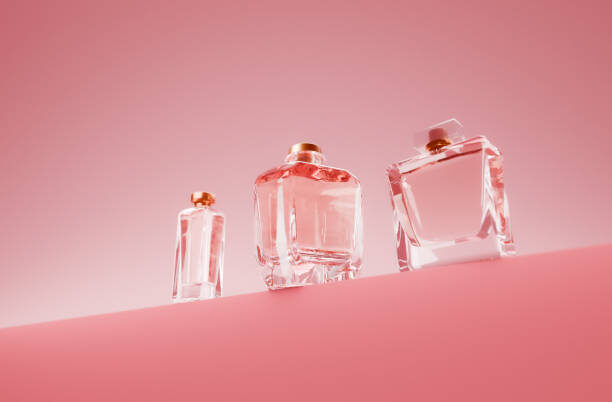
Creating a luxury fragrance is an art form that captivates the senses and leaves a lasting impression. It’s more than just mixing scents; it’s about crafting an experience, telling a story, and evoking emotions. Whether you’re an aspiring perfumer or someone fascinated by the world of scents, understanding the essential ingredients for luxury fragrance creation can open a whole new world of creativity and expression. Let’s dive into the enchanting realm of perfume artistry and explore the steps to crafting a scent that exudes elegance and sophistication. Have the Best information about luxury perfume offers women.
In the world of fragrance, the perfume pyramid is your best friend. It’s a three-part structure consisting of top, middle, and base notes. Each layer plays a crucial role in how a fragrance develops and is perceived over time.
- Top Notes: These are the initial scents you smell right after applying the perfume. They are usually light and refreshing, designed to make a great first impression. Think citrus, lavender, or mint. Top notes are often volatile, meaning they evaporate quickly, which is why their impact is immediate yet fleeting. Understanding their role is crucial for setting the stage of your fragrance story.
- Middle Notes: Also known as heart notes, these scents emerge once the top notes fade. They form the core of the fragrance and often include floral or fruity elements like rose, jasmine, or peach. Middle notes are the heart of the perfume, lasting longer than top notes and providing a bridge to the base notes. Their presence is vital for the fragrance’s body and complexity, often considered the true signature of the scent.
- Base Notes: These are the scents that linger the longest, providing depth and solidity to the fragrance. Common base notes include vanilla, musk, and sandalwood. Base notes are less volatile, ensuring they remain on the skin for hours. They create the lasting impression of the fragrance, anchoring it and adding richness and warmth that evolves beautifully over time.
Perfumes are categorized into different families based on their dominant characteristics. Are you drawn to fresh, floral, oriental, or woody scents? Understanding your preferred fragrance family helps in selecting and blending ingredients that align with your desired scent profile.
- Fresh Scents: Typically characterized by citrus, aquatic, or green notes, these fragrances are invigorating and vibrant. They are ideal for those who love a clean, crisp scent that energizes and refreshes.
- Floral Scents: Perhaps the most popular family, floral fragrances are romantic and feminine, often featuring notes of rose, jasmine, or lily. These scents can be single-flower or a bouquet, offering a wide range of expression from soft and sweet to rich and exotic.
- Oriental Scents: Known for their warm, spicy, and opulent characteristics, oriental fragrances often include notes of vanilla, amber, and spices. They are luxurious and sensual, perfect for making a bold statement.
- Woody Scents: These fragrances are grounded in nature, with notes like cedarwood, sandalwood, and patchouli. They are earthy and sophisticated, often evoking a sense of warmth and stability.
The art of perfume crafting lies in achieving the perfect balance between the different notes and fragrance families. A well-balanced perfume is harmonious, with each component complementing the others. This requires a deep understanding of how different scents interact and evolve over time.
Creating your own custom perfume is like composing a symphony. It requires balance, harmony, and a keen sense of artistry. Here’s how you can start your journey into luxury perfume crafting.
Quality is key when it comes to luxury fragrances. Seek out high-quality essential oils, absolutes, and aromatic compounds. Remember, the finest ingredients yield the most exquisite scents.
- Essential Oils: These are the concentrated essences of plants, extracted through methods like distillation. They form the backbone of natural perfumes. The purity and origin of essential oils can greatly influence the fragrance’s character, making sourcing from reputable suppliers essential.
- Absolutes: These are highly concentrated aromatic oils extracted from plants using solvents. They are often used for delicate flowers like jasmine or rose. Absolutes capture the complex scent profiles of flowers that cannot be distilled, adding a rich depth to your blends.
- Aromatic Compounds: These can be natural or synthetic, offering a wide range of scents not available in essential oils or absolutes. Synthetic compounds can replicate rare or extinct scents, providing creative freedom and innovation in perfume design.
Here’s where the magic happens! Start by experimenting with small batches. Use droppers to carefully measure each ingredient, and keep detailed notes of your blends. Begin with a dominant base note, add heart notes, and finish with top notes. Remember, patience is key, as some scents take time to fully develop.
- Creating a Fragrance Wheel: Use a fragrance wheel to guide your blending process. It helps you understand complementary scents and create balanced compositions. This tool is invaluable for identifying harmonious scent combinations and avoiding discordant notes.
- The Role of Proportions: Experiment with different proportions to see how they affect the overall scent. Even small changes can create significant differences in the fragrance’s character and longevity.
- Iterative Testing: Constantly test your blends at different stages of development. This allows you to understand how the fragrance evolves over time and how each ingredient contributes to the final aroma.
Once you’ve crafted a blend, let it age for a few weeks. This allows the ingredients to meld and mature, resulting in a more harmonious fragrance. Test the scent on your skin to see how it interacts with your body chemistry, as this can affect the final aroma.
- The Aging Process: During aging, the interaction between the different notes can transform the fragrance, often mellowing sharp edges and enhancing depth. This process is crucial for achieving a cohesive and well-rounded scent.
- Skin Testing: Apply the fragrance to various pulse points to see how it reacts with your skin’s natural oils. This interaction can alter the scent, making it unique to the wearer.
- Feedback and Refinement: Gather feedback from others to gain different perspectives on the fragrance. Use this information to make adjustments and improvements, ensuring your perfume is as captivating as possible.
Sillage refers to the trail of scent left behind by a perfume, while longevity is the duration a fragrance lasts on the skin. Both are crucial in luxury perfume crafting. To enhance these, focus on balancing volatile top notes with more enduring base notes.
- Enhancing Sillage: To create a noticeable sillage, consider using heavier base notes and certain fixatives that help diffuse the fragrance into the air. This creates a lasting impression as you move, leaving a subtle trace of your presence.
- Maximizing Longevity: Longevity can be increased by incorporating more substantial base notes and fixatives that slow evaporation. Understanding the chemistry of your ingredients can help in selecting those that naturally have longer staying power.
- Layering Techniques: Layering your fragrance with complementary products like body lotions or oils can enhance both sillage and longevity, providing a fuller, more persistent scent experience.
Fixatives are ingredients that help stabilize a perfume, preventing volatile top notes from evaporating too quickly. Natural fixatives like benzoin, labdanum, and vetiver can add depth and complexity to your creation.
- Natural Fixatives: These include resins and woods that not only stabilize but also contribute their own unique scents, enriching the overall fragrance. Their complex molecular structures make them ideal for binding and holding volatile notes.
- Synthetic Fixatives: While natural fixatives are revered for their depth, synthetic options can offer precision and consistency, ensuring the fragrance remains uniform over time.
- The Balance of Fixation: The art of using fixatives lies in maintaining the fragrance’s character while enhancing its longevity and diffusion. This requires careful selection and proportioning to avoid overshadowing the delicate top and middle notes.
Understanding the chemical interactions between different ingredients is essential for crafting a well-balanced fragrance. This knowledge can help you anticipate how the scent will evolve and ensure the stability of your creation.
Document your experiments, including the ingredients, proportions, and results. This will help you refine your craft and avoid repeating past mistakes.
- Detailed Record-Keeping: Note not just the ingredients, but also the process, observations, and any adjustments made. This comprehensive record is invaluable for learning and progression.
- Reflection and Analysis: Periodically review your journal to identify patterns and breakthroughs. This reflective practice helps you understand your evolving style and preferences.
- Inspiration Log: Besides technical details, include entries on inspirations and ideas, capturing moments that spark creativity and innovation.
Visit botanical gardens, spice markets, or even your local supermarket to explore new scents. Inspiration can come from anywhere, so keep your senses open and curious.
- Sensory Adventures: Engage all your senses by immersing yourself in environments rich with diverse aromas. This sensory exploration can reveal unexpected combinations and ideas.
- Cultural Inspirations: Explore scents from different cultures and traditions, broadening your olfactory palette and providing fresh perspectives for your creations.
- Everyday Moments: Pay attention to everyday scents that evoke memories or emotions. These can be powerful sources of inspiration for creating meaningful and personal fragrances.
Consider enrolling in a perfumery course or attending workshops. Learning from experts can provide valuable insights and accelerate your journey in the world of fragrance creation.
- Formal Education: Courses offer structured learning, covering both the art and science of perfumery. They provide foundational knowledge and practical skills essential for crafting sophisticated fragrances.
- Workshops and Seminars: These provide hands-on experience and the opportunity to learn from industry professionals. They are excellent for networking and gaining insider tips and techniques.
- Self-Directed Learning: Complement formal education with books, online resources, and experimentation. This approach allows you to explore areas of personal interest and develop a unique style.
Creating a luxury fragrance is a rewarding journey that combines science, art, and a touch of magic. By understanding the essential ingredients and techniques, you can craft a scent that reflects your unique personality and style. Remember, the world of perfume artistry is vast and ever-evolving, so keep exploring and experimenting. Who knows? You might just create the next iconic fragrance that captivates the world.
So, grab your droppers, essential oils, and a notebook, and let your olfactory adventure begin! Embrace the journey with curiosity and passion, and let each blend you create be a reflection of your artistic soul.