


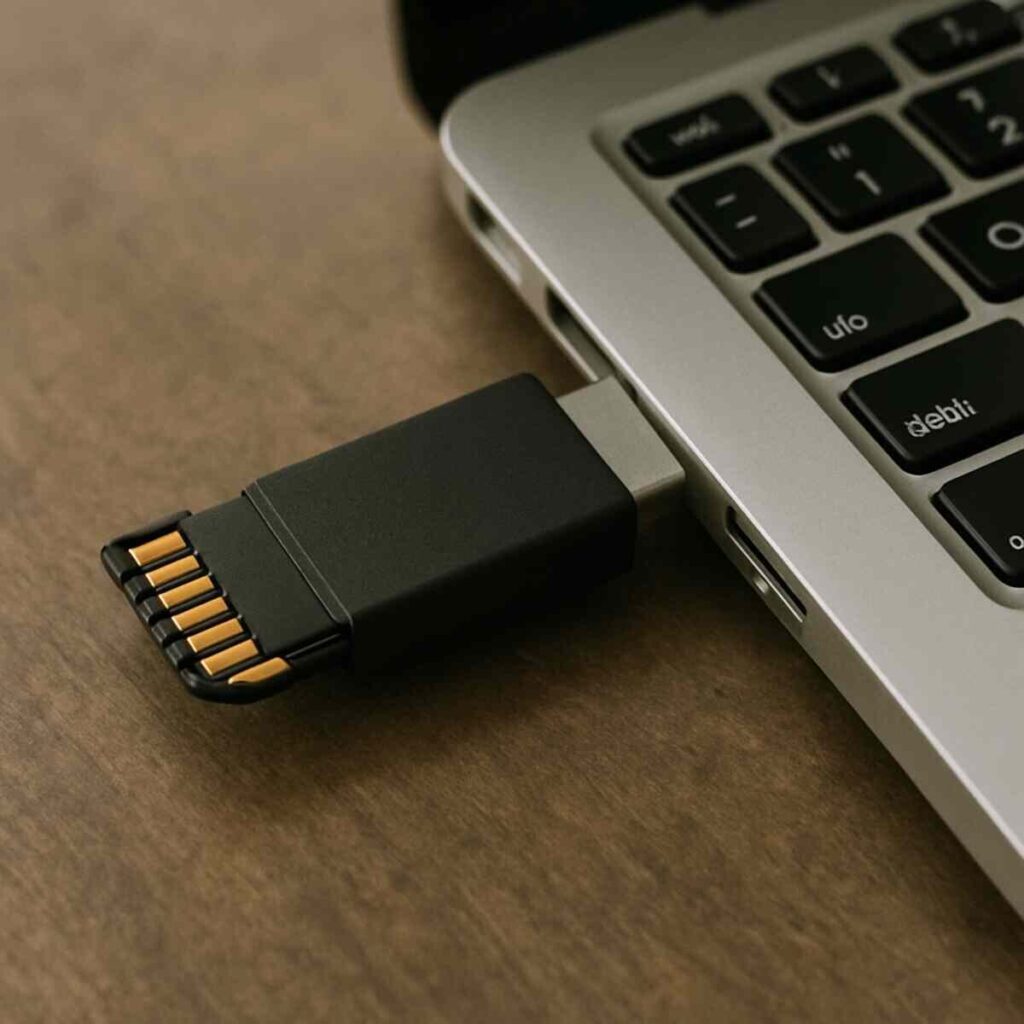
When it comes to game cameras, having a reliable SD card reader is essential for quickly accessing your photos and videos. Whether you’re a seasoned wildlife photographer or a hobbyist, the right SD card reader can make all the difference in how you manage your camera’s data. In this article, we’ll guide you through the key considerations for choosing the best game camera SD card reader, exploring various types and features that cater to your needs. To find more, check on KRISTAL115
SD card readers are devices that allow you to access and transfer data from your SD cards to your computer or other devices. They come in various forms, including standalone readers and those built into laptops and desktops. Understanding the basics of how these devices work will help you make an informed decision when selecting one for your game camera.
Types of SD Card Readers
- Built-in SD Card Readers: Many modern laptops and desktop computers come with built-in SD card slots. These are convenient as they eliminate the need for additional devices. However, they might not support all SD card formats, especially if you’re using high-capacity cards. Built-in readers are often limited to standard SD cards and may not accommodate SDHC or SDXC formats, which are frequently used in high-resolution game cameras. Additionally, the speed of built-in readers can vary significantly, depending on the computer’s age and design.
- External SD Card Readers: These are portable devices that connect to your computer via USB. They often support a wider range of card formats and can be easily swapped between devices. External readers are ideal for those who frequently transfer data or use multiple devices. The flexibility of external readers allows photographers to carry them in the field, enabling immediate access to captured images. With advancements in technology, many external readers now offer USB 3.0 or USB-C connections, ensuring rapid data transfers.
- Multi-Card Readers: These readers can handle various types of memory cards, including microSD, SD, and CompactFlash. They’re great for photographers who use different cameras and need a versatile solution. Multi-card readers are particularly beneficial for professionals who work with diverse equipment, as they consolidate multiple functions into one device. This versatility can be a significant time-saver, reducing the need to carry multiple adapters or readers.
Key Features to Consider
When selecting an SD card reader, keep an eye out for these essential features:
- Compatibility: Ensure that the reader supports the SD card formats you use. Check for compatibility with SDHC, SDXC, and microSD cards. Compatibility is crucial because not all readers support the newer and larger capacity cards, which can lead to frustration if you’re dealing with high-resolution images or videos. Verify that the reader can also handle UHS-I and UHS-II cards if you require faster write speeds.
- Transfer Speed: Look for readers with high transfer speeds. USB 3.0 or USB-C connections offer faster data transfer compared to USB 2.0. Fast transfer speeds are essential for efficiently handling large files, especially when downloading extensive photo sessions or lengthy videos. If you’re regularly transferring gigabytes of data, a reader with slow speeds can significantly delay your workflow.
- Durability: If you plan to use the reader in outdoor settings, choose a rugged model that’s resistant to dust and moisture. Durability is a key factor for wildlife photographers who often work in challenging environments. A robust reader will withstand the wear and tear of frequent travel and exposure to the elements, ensuring longevity and reliability.
- Portability: Consider the size and weight of the reader, especially if you need to carry it with you in the field. A lightweight and compact reader can be easily slipped into a camera bag or pocket, making it an ideal companion for photographers on the move. Some portable readers also include built-in covers or cases for added protection during transport.
- Ease of Use: A user-friendly design with clear indicators for card insertion and connection status can significantly enhance your experience. Some readers include LED lights that indicate when a card is being read or when it’s safe to remove it, helping to prevent data corruption.
Top Game Camera SD Card Reader Recommendations
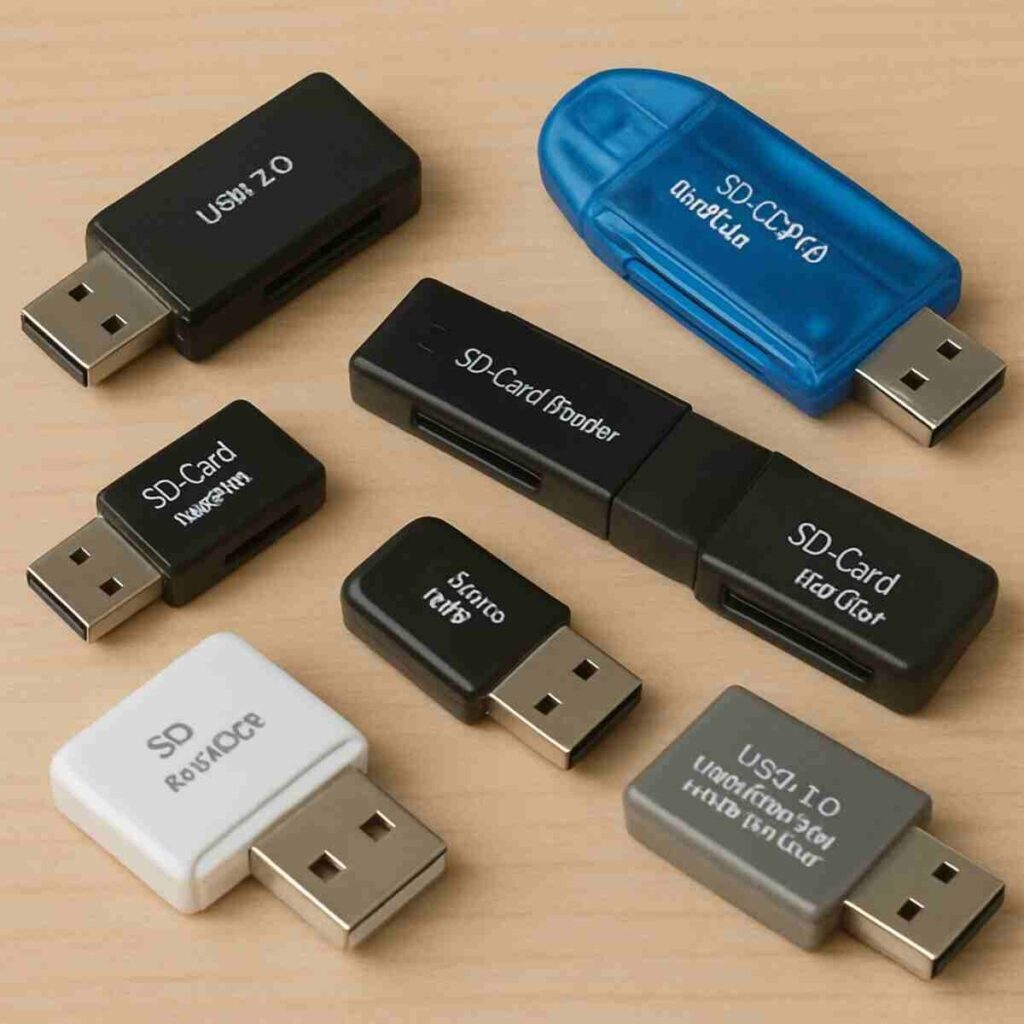
Now that you understand what to look for in an SD card reader, let’s explore some top recommendations that are well-suited for game camera users.
Anker USB 3.0 SD Card Reader
The Anker USB 3.0 SD card reader is a popular choice for its compact design and fast data transfer speeds. It supports SD, SDHC, SDXC, and microSD cards, making it versatile for different game cameras. Its USB 3.0 interface ensures quick and efficient data transfers, saving you time when managing your camera’s content. The reader’s small size makes it highly portable, and its durable build ensures it can withstand frequent use. Additionally, its plug-and-play functionality means you can start transferring files without needing additional software.
Transcend RDF8 USB 3.1 Multi-Card Reader
For those who need a multi-card reader, the Transcend RDF8 is an excellent option. It supports a wide range of card formats, including SD, microSD, and CompactFlash, making it perfect for photographers with diverse equipment. Its USB 3.1 interface provides fast transfer speeds, and its compact design makes it easy to carry. The RDF8’s versatility is complemented by its robust build, which can handle the rigors of fieldwork. With a simple, user-friendly interface, this reader is a reliable tool for any photographer’s kit.
Unitek USB-C to SD Card Reader
If you’re using a device with USB-C ports, the Unitek USB-C to SD card reader is a great choice. It supports SD, SDHC, and SDXC cards and offers fast data transfer speeds thanks to its USB-C connection. Its slim design is perfect for on-the-go use, and it’s compatible with a variety of devices, including laptops, tablets, and smartphones. The Unitek reader’s sleek design doesn’t compromise on functionality, providing a stable and efficient connection for seamless data management. Its cross-device compatibility is particularly useful for photographers using multiple gadgets during their shoots.
How to Use an SD Card Reader
Using an SD card reader is straightforward, but here are some tips to ensure smooth data transfers:
- Insert the SD Card: Gently insert your SD card into the reader’s slot. Make sure it’s properly aligned and securely seated. Proper insertion is crucial to avoid damaging the card or the reader. If you encounter resistance, check for any obstructions or misalignment before applying more force.
- Connect to Your Device: Plug the reader into your computer or device. If you’re using an external reader, connect it via USB. Ensure that the connection is firm to prevent disconnections during data transfer. Some readers have indicator lights to confirm a successful connection, which can be helpful in troubleshooting.
- Access Your Files: Once connected, your device should recognize the SD card. Open your file explorer to access and manage your camera’s data. Depending on your operating system, you might receive a prompt to open the folder automatically. Organize your files efficiently to streamline future access and editing processes.
- Safely Eject the Card: After transferring files, safely eject the SD card to avoid data corruption. Use your device’s “eject” function before removing the card. This step is crucial to prevent damage to the card’s file system. Always wait for confirmation that it’s safe to remove the card to protect your data from loss.
Troubleshooting Common Issues
Even with the best SD card readers, you might encounter some issues. Here are common problems and solutions:
- Card Not Recognized: Ensure the card is properly inserted and the reader is connected. Try using a different USB port or restarting your device. If the problem persists, test the card in another reader to rule out card damage. Sometimes, a simple restart of your computer or device can resolve recognition issues.
- Slow Transfer Speeds: Check if you’re using a high-speed USB port and a compatible cable. Consider upgrading to a faster reader if necessary. Ensure that your computer’s drivers are up to date, as outdated drivers can hinder performance. If using a hub, make sure it’s capable of supporting high-speed data transfers.
- File Corruption: Always safely eject the card before removing it. If files are corrupted, try using recovery software to retrieve them. Regularly back up important data to minimize losses in case of corruption. Maintain your SD cards properly by formatting them in your camera rather than your computer to ensure compatibility and reduce errors.
Conclusion
Choosing the best game camera SD card reader involves understanding your specific needs and the features that best support them. Whether you prefer a built-in reader, an external model, or a multi-card reader, there are plenty of options available to suit your requirements. By considering compatibility, transfer speed, and portability, you can ensure efficient data management for all your game camera adventures. Now, get ready to capture and enjoy your wildlife moments with ease!
Selecting the right SD card reader is more than just a technical decision—it’s about enhancing your photography experience and maximizing the quality of your work. A well-chosen reader can streamline your workflow, ensuring that every moment spent in the field translates into valuable insights and stunning images. As technology evolves, staying informed about the latest options and updates will keep you ahead in the game, allowing you to focus on capturing the beauty and excitement of the natural world.